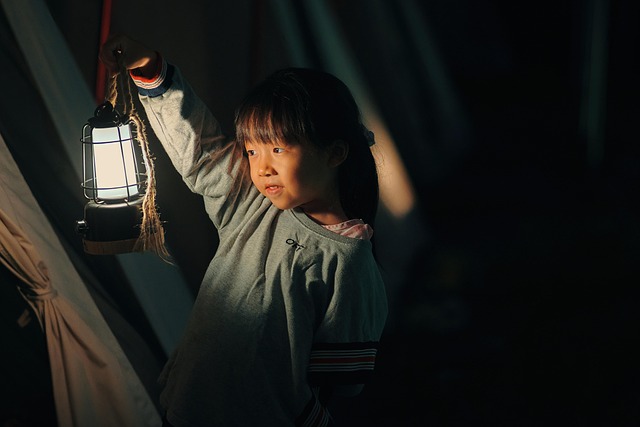
Shelter setup in wet and windy conditions
Pay attention to site selection, how the footprint is placed, and how guy lines distribute load. The goal is stability and moisture control without overcomplicating the pitch.
Images are illustrative and intended to support learning. Always follow manufacturer instructions and local guidance for safe use.
A curated set of visuals grouped by practical themes. Each card includes a short explanation describing what to notice and how it relates to real-world travel preparation.
Pay attention to site selection, how the footprint is placed, and how guy lines distribute load. The goal is stability and moisture control without overcomplicating the pitch.
Look for a clean layout: fuel stored safely, a stable cooking surface, and a simple tool set. Consistent organisation reduces mistakes when weather changes.
Notice how clean and dirty water are separated, how containers are labelled, and where the filter sits in the workflow. Good habits protect health and keep gear functional.
The key is quick access. Look for labelled bins, separate wet items, and a dedicated space for essentials. A tidy vehicle setup supports safer stops and faster pack-down.
Focus on insulation from the ground, ventilation control, and dry storage. The visual layout helps you understand how pads, quilts, and clothing work together.
A flat-lay view makes it easier to spot gaps. Notice navigation, lighting, weather protection, and simple nutrition. This supports day hikes and short trail explorations.
Visual examples are useful when you are building a routine. This section explains what to look for so the images stay educational, not just inspirational.
Outdoor equipment often feels complex because it is made of many small decisions: where items sit in your pack, how water and cooking systems interact, and what changes when it is windy, wet, or cold. The purpose of this gallery is to make those decisions visible. You will see layouts and setups that highlight workflow, safety, and maintenance. For example, a cooking scene can show fuel separation, stable surfaces, and a clean path from preparation to storage. A shelter scene can show drainage thinking, anchoring, and how to reduce condensation.
If you are preparing for camping or road trips in Ireland, the most reliable approach is to build a system and practice it. Use these images as a prompt to review your checklist, test your setup at home, and plan for weather. For deeper explanations, go to our courses for structured lessons or our learning resources for short guides that you can scan before a trip.
Focus on routines you can reuse, not one-off tricks.
Understand the safe sequence for handling fuel, water, and sharp tools.
Respect campsite rules and outdoor environments.
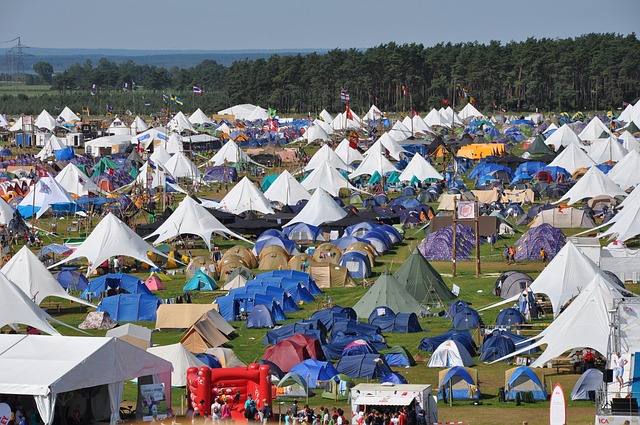
If you have a question about a setup you see here or want to suggest a topic for a future gallery set, contact us with a short description. We use your message only to respond and to improve our educational content planning.